
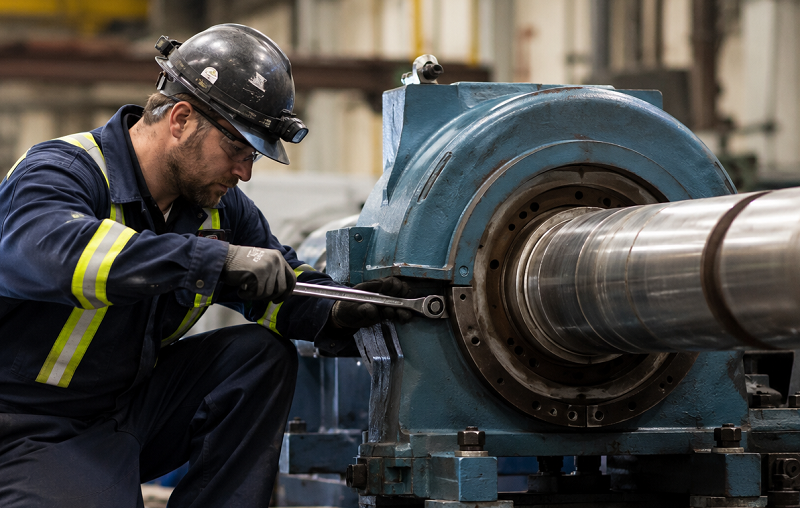
Walk into a manufacturing plant, food processing facility, power generation station, or mining operation anywhere in North America, and you will find one thing they all have in common: machinery must work reliably for production to continue. When that equipment is installed, maintained, repaired, or upgraded, industrial millwrights are often the professionals making it happen. While many people have heard of electricians and mechanics, the role of an industrial millwright is less widely understood despite being essential to modern industry. These highly skilled tradespeople specialize in the installation, alignment, maintenance, and repair of industrial machinery. Their expertise helps businesses reduce downtime, improve efficiency, and protect expensive equipment investments. As industries across the United States and Canada continue adopting advanced manufacturing technologies, industrial millwrights have become more valuable than ever.
Proper Installation is a Core Part of the Job
One of the most important responsibilities of an industrial millwright is installing industrial equipment correctly from the start. This process goes far beyond simply placing a machine on a factory floor. Millwrights interpret technical drawings, review engineering specifications, and use specialized tools to position equipment with extreme accuracy. Even a slight misalignment can lead to excessive vibration, increased wear, lower efficiency, and unexpected breakdowns. Whether they are setting up conveyor systems in a distribution center, installing turbines in a power facility, or assembling production equipment in an automotive plant, millwrights ensure every component functions exactly as intended. Their attention to detail during installation often determines how efficiently a machine performs throughout its operational life.
Preventive Maintenance Keeps Production Running
Many industrial facilities operate around the clock, making equipment reliability a top priority. Industrial millwrights play a major role in preventive maintenance programs designed to identify issues before they become serious problems. Rather than waiting for machinery to fail, they perform routine inspections, replace worn components, lubricate moving parts, check alignment, and monitor overall machine health. This proactive approach helps companies avoid costly downtime and emergency repairs. In industries such as manufacturing, pharmaceuticals, and energy production, a single hour of unplanned downtime can result in significant financial losses. By maintaining equipment on a regular schedule, millwrights help organizations maximize productivity while extending the lifespan of critical machinery. Their work not only saves money but also improves workplace safety by reducing the likelihood of mechanical failures.
Solving Complex Mechanical Problems Under Pressure
Industrial machinery can be incredibly complex, involving gears, bearings, pumps, motors, hydraulic systems, pneumatic components, and automated controls. When equipment stops working, industrial millwrights are often called upon to diagnose and resolve the issue quickly. Troubleshooting requires a combination of technical knowledge, practical experience, and analytical thinking. A millwright must identify the root cause of a problem rather than simply addressing the symptoms. In many cases, they work under tight deadlines because production schedules depend on getting equipment back online. Whether replacing damaged components, rebuilding machinery, or performing emergency repairs during a plant shutdown, millwrights are trusted to restore operations efficiently and safely. Their ability to solve problems under pressure is one of the reasons they remain indispensable across industrial sectors.
Working Across Diverse Industries throughout North America
Industrial millwrights enjoy one of the most diverse career paths within the skilled trades. Their expertise is needed in manufacturing plants, mining operations, oil and gas facilities, water treatment plants, power generation stations, pulp and paper mills, agricultural processing facilities, and large-scale construction projects. Some millwrights work permanently at a single facility, while others travel between job sites to install or service equipment. This variety keeps the profession interesting and provides opportunities to work with different technologies and machinery. In recent years, many facilities have invested heavily in automation, robotics, and advanced production systems. As a result, today’s millwrights often collaborate with engineers, electricians, automation specialists, and maintenance teams to ensure increasingly sophisticated equipment operates at peak performance. The trade continues to evolve, offering long-term career stability and opportunities for professional growth.
Why Industrial Millwrights are Essential to Modern Industry
Industrial millwrights do much more than repair machines. They are skilled professionals responsible for ensuring the equipment that powers North America’s industries operates safely, efficiently, and reliably. From expert installations and preventive maintenance to emergency repairs and equipment upgrades, their work directly supports productivity and operational success. As manufacturers face growing pressure to improve efficiency and reduce downtime, the demand for experienced millwrights continues to remain strong, much like the demand for skilled metal fabricators in Ontario. Businesses rely on these tradespeople to keep production moving, protect valuable assets, and support long-term growth. For anyone considering a career in the skilled trades, industrial millwrighting offers a rewarding combination of technical challenges, hands-on work, and strong employment opportunities. In an economy driven by machinery and industrial innovation, millwrights remain among the most important professionals behind the scenes.