
Manufacturing plants across Canada depend on precision fabrication to keep production lines operating safely and efficiently. Whether producing automotive components in Ontario, fabricated steel for construction projects in Alberta, or pharmaceutical equipment in Quebec, every fabricated component plays a vital role in keeping manufacturing operations running safely and without interruption. Even a minor fabrication mistake can result in equipment failures, unexpected shutdowns, expensive repairs, and missed delivery deadlines. With Canadian manufacturers facing increasing labour costs, global competition, and stricter quality standards, preventing downtime has become more important than ever. The most successful facilities recognize that fabrication is not simply about cutting and welding metal, it is about engineering reliable solutions that perform consistently under demanding industrial conditions. By identifying common fabrication mistakes before they become costly problems, manufacturers can improve equipment reliability, reduce maintenance expenses, and maximize operational efficiency.
Poor Material Selection Creates Long-Term Reliability Problems
One of the most overlooked fabrication mistakes is choosing materials that are unsuitable for the intended application. Different manufacturing environments expose fabricated components to varying levels of heat, moisture, corrosion, vibration, and heavy loads. Selecting lower-grade steel or incompatible alloys to reduce initial costs often results in premature wear, cracking, rust, or structural failure. In Canada’s diverse climate, facilities operating in coastal regions may face accelerated corrosion due to salt exposure, while mining and forestry operations experience severe abrasion from harsh working conditions. Material compatibility is equally important when replacing existing equipment, as mismatched metals can create galvanic corrosion and weaken assemblies over time. Reliable fabricators evaluate operating conditions, load requirements, environmental exposure, and industry standards before recommending materials. Although premium materials may require a higher upfront investment, they significantly reduce maintenance frequency, extend equipment life, and prevent unexpected production interruptions.
Inaccurate Measurements and Poor Fit-Up Increase Downtime
Precision is essential in industrial fabrication, yet inaccurate measurements remain one of the leading causes of installation delays and equipment failures. Components fabricated without precise dimensions often require extensive field modifications, creating additional labour costs and extending project schedules. Misaligned mounting holes, improperly fitted structural supports, or incorrect pipe connections can prevent machinery from operating correctly and increase stress on surrounding equipment. These issues become especially problematic during planned maintenance shutdowns, where every additional hour impacts production output. Modern Canadian fabrication shops increasingly rely on digital measuring tools, CNC equipment, and 3D modelling software to eliminate dimensional errors before manufacturing begins. Thorough inspections, trial assemblies, and quality verification throughout the fabrication process ensure components fit correctly the first time. Investing in accurate planning and measurement not only speeds up installation but also minimizes future maintenance requirements and improves overall plant reliability.
Weak Welding Practices and Limited Quality Control Cause Equipment Failures
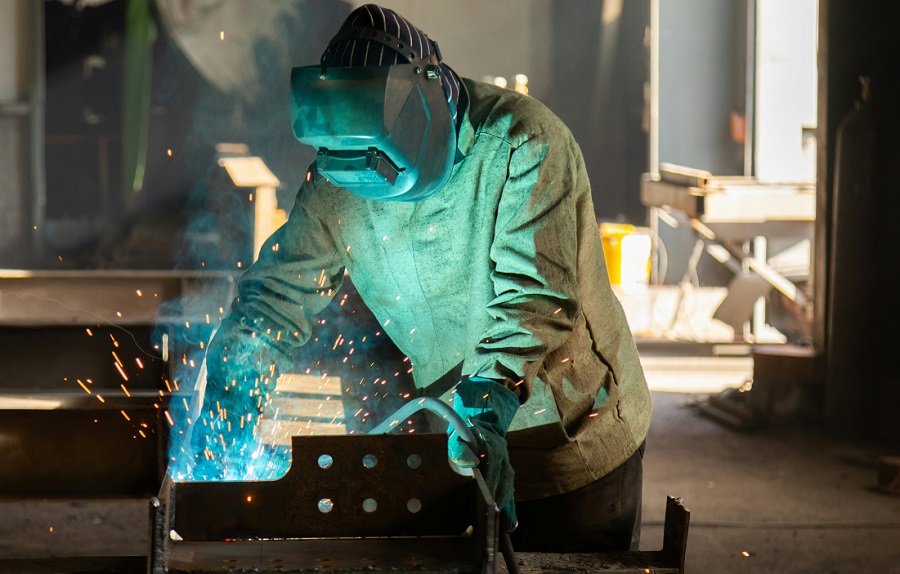
Even when high-quality materials are used, poor welding practices can compromise the integrity of fabricated structures. Incomplete weld penetration, excessive heat input, contamination, and inconsistent welding techniques create weak points that may fail under heavy industrial loads. These defects are not always visible during installation, making them particularly dangerous because failures often occur after equipment has returned to service. Canadian manufacturing sectors such as energy, transportation, mining, and heavy industry frequently require welds that meet strict certification standards to ensure structural safety and long-term performance. Unfortunately, some fabrication projects still overlook detailed inspections, non-destructive testing, or documented quality assurance procedures. Comprehensive quality control, including dimensional inspections, weld testing, and final performance verification, helps identify defects before components reach the job site. Skilled certified welders, standardized fabrication procedures, and continuous inspection significantly reduce the risk of unexpected equipment breakdowns and costly emergency repairs.
Insufficient Planning, Communication, and Documentation Delay Production
Fabrication problems are not always caused by technical errors. Poor project planning and inadequate communication between engineers, fabricators, maintenance teams, and plant managers frequently lead to avoidable downtime. Design revisions that are not shared promptly, incomplete fabrication drawings, unclear specifications, or inaccurate bills of materials can result in incorrect components being manufactured. When replacement parts arrive that do not match field requirements, production schedules are disrupted while modifications or re-fabrication take place. Effective fabrication projects begin with detailed planning, accurate engineering documentation, and ongoing collaboration throughout every stage of production. Digital project management systems, revision tracking, and regular progress reviews help ensure everyone works from the latest information. Canadian manufacturers that prioritize communication alongside technical excellence consistently experience smoother installations, shorter maintenance shutdowns, and higher operational reliability. Ultimately, preventing fabrication mistakes is far more cost-effective than correcting them after production has stopped, making proactive quality management one of the smartest investments any manufacturing facility can make.