
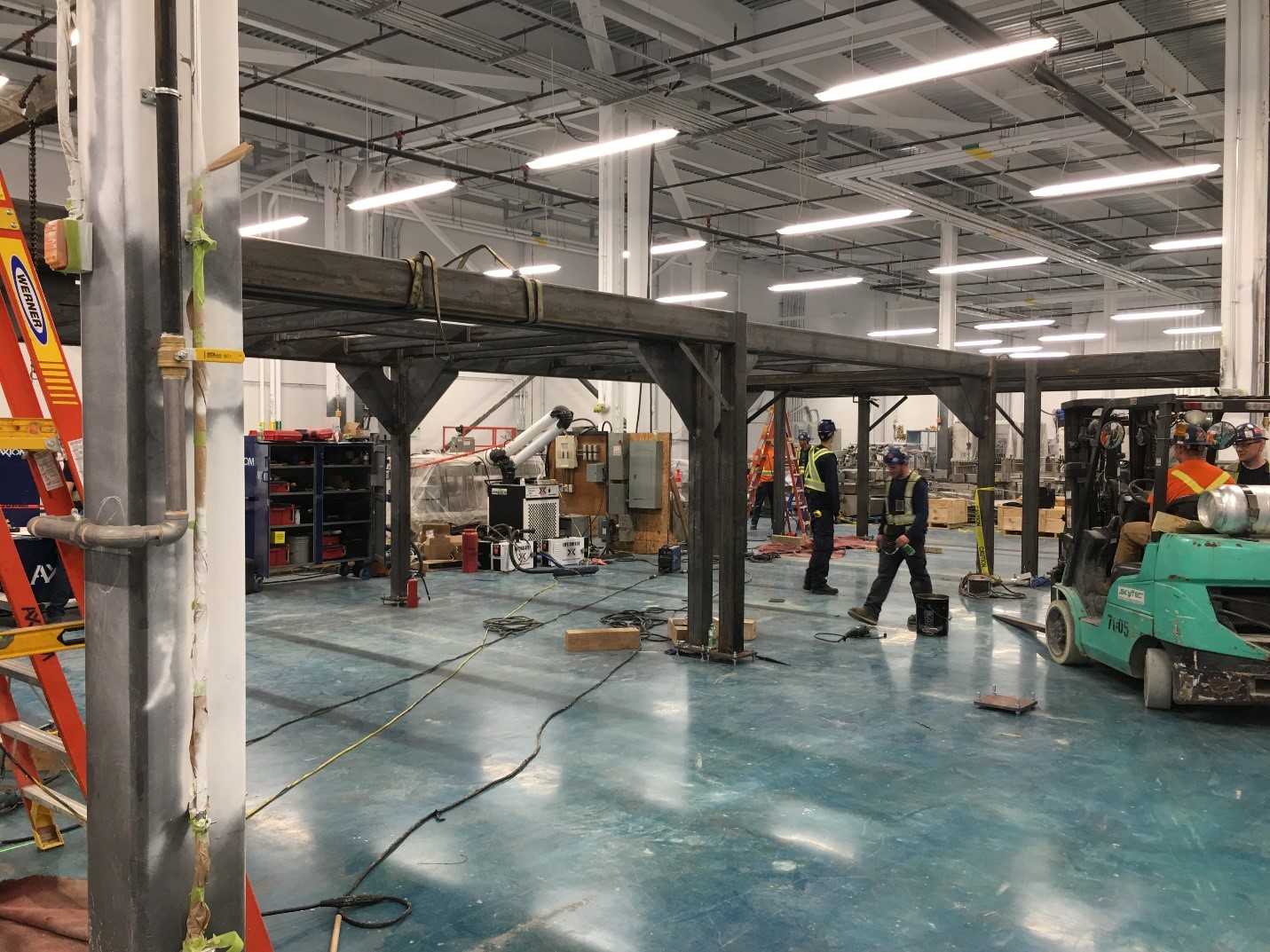
For businesses across Canada, equipment downtime is more than a temporary inconvenience, it is a direct threat to productivity, profitability, and customer satisfaction. Whether it is a manufacturing facility in Ontario, a food processing plant in Alberta, a mining operation in British Columbia, or a logistics warehouse in Quebec, every minute of unexpected downtime can lead to significant financial losses. Lost production, delayed deliveries, overtime costs, emergency repairs, and dissatisfied customers can quickly add up to thousands of dollars.
Many organizations focus heavily on purchasing high-quality machinery but overlook an equally important factor: proper installation. Even the most advanced equipment can underperform or fail prematurely if it is not installed correctly. Proper installation lays the foundation for reliable operation, improved efficiency, and long-term cost savings. In today’s competitive Canadian market, businesses cannot afford to ignore this critical step.
Why Installation Quality Matters from Day One
Equipment installation is much more than placing machinery in a designated location and turning it on. It involves careful planning, site preparation, alignment, calibration, electrical integration, safety verification, and performance testing. Every component must be installed according to manufacturer specifications and industry standards.
When installation shortcuts are taken, problems often emerge shortly after operations begin. Misaligned components can increase wear and tear. Improper electrical connections can create safety hazards and equipment failures. Inaccurate calibration may lead to reduced output quality and inefficient performance. These issues frequently result in costly repairs that could have been avoided with a professional installation process.
Canadian businesses operating in sectors such as manufacturing, energy, construction, and transportation rely on precision and consistency. A properly installed system performs as intended from the start, reducing operational disruptions and helping companies achieve their production goals without unnecessary setbacks.
Preventing Expensive Repairs and Emergency Maintenance
One of the biggest advantages of proper equipment installation is the reduction of unexpected maintenance costs. Emergency repairs are typically more expensive than planned maintenance because they often require urgent technician visits, expedited parts shipping, and unplanned production shutdowns.
When equipment is installed correctly, critical systems experience less stress during operation. Bearings remain properly aligned, motors run efficiently, and control systems function as designed. This minimizes premature component failure and extends the lifespan of the equipment.
In Canada’s industrial environments, where equipment often operates under demanding conditions, reliability is essential. Harsh winters, temperature fluctuations, and continuous production schedules can place additional strain on machinery. Proper installation helps equipment withstand these challenges and reduces the likelihood of costly breakdowns that disrupt business operations.
Improving Workplace Safety and Regulatory Compliance
Safety is a top priority for Canadian employers, and equipment installation plays a major role in maintaining a safe work environment. Poorly installed machinery can create serious hazards, including electrical faults, unstable equipment, mechanical failures, and unsafe operating conditions.
Professional installation ensures that safety guards, emergency stop systems, sensors, and protective devices function correctly. It also helps organizations comply with workplace safety regulations and industry standards. Compliance is particularly important in sectors that face strict regulatory oversight, such as manufacturing, mining, oil and gas, and food production.
A workplace incident can result in medical expenses, legal liabilities, regulatory penalties, and reputational damage. By investing in proper installation from the beginning, businesses significantly reduce these risks while creating a safer environment for employees and contractors alike.
Maximizing Equipment Performance and Energy Efficiency
Modern industrial equipment is designed to deliver specific performance levels and energy efficiency targets. However, these benefits can only be achieved when the equipment is installed and configured correctly. Even minor installation errors can reduce output, increase energy consumption, and negatively impact overall productivity.
Proper alignment, calibration, and system integration allow machinery to operate at peak performance. Motors consume less energy, production processes run more smoothly, and equipment delivers consistent results. Over time, these improvements can generate substantial savings on utility costs and operational expenses.
As Canadian businesses continue to focus on sustainability and energy efficiency, maximizing equipment performance has become increasingly important. Companies that prioritize proper installation often experience lower operating costs while supporting their environmental objectives through reduced energy waste.
Long-Term Financial Benefits That Outweigh Initial Costs
Some businesses view professional installation services as an additional expense. In reality, it is one of the smartest investments they can make. The upfront cost of proper installation is typically small compared to the financial impact of equipment failures, production delays, emergency repairs, and shortened equipment life.
A well-installed system delivers reliable performance, fewer disruptions, lower maintenance expenses, improved safety, and greater operational efficiency. These advantages contribute directly to stronger profitability and a higher return on investment. Businesses can focus on growth and customer satisfaction rather than reacting to preventable equipment problems.
For Canadian organizations seeking to remain competitive in an increasingly demanding marketplace, proper equipment installation is not simply a technical requirement, it is a strategic business decision. By getting installation right from the start, companies can save thousands of dollars in downtime, protect valuable assets, and build a foundation for long-term operational success.