
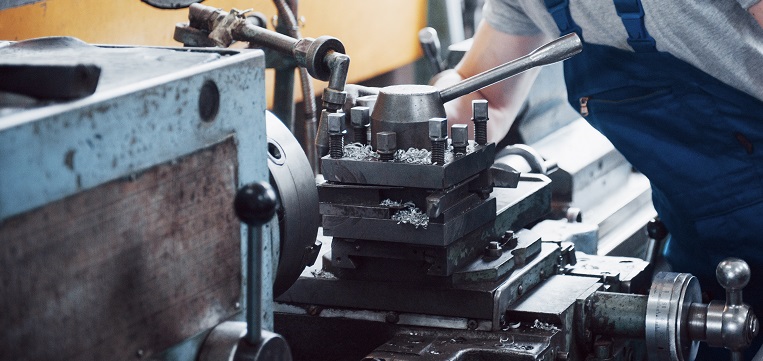
Canada’s industrial sector is evolving rapidly as manufacturers invest in automation, facility modernization, and resilient supply chains. Industries such as food and beverage processing, automotive manufacturing, pharmaceuticals, warehousing, and advanced manufacturing are under increasing pressure to improve productivity while controlling project costs and minimizing downtime. At the same time, many businesses face labour shortages, tighter project schedules, and higher expectations for workplace safety and regulatory compliance. These challenges have made turnkey industrial solutions an increasingly attractive option for companies planning new installations, plant expansions, equipment relocations, or facility upgrades. Rather than hiring and coordinating multiple contractors, a turnkey approach places the entire project under one experienced provider, from engineering and custom fabrication to millwrighting, commissioning, and post-project support. As Canadian manufacturers continue embracing digital transformation and operational efficiency, integrated project delivery has become a strategic advantage rather than simply a convenience.
One Team, One Plan, One Point of Accountability
One of the greatest strengths of turnkey industrial solutions is having a single organization responsible for every stage of the project. Traditional industrial projects often involve separate contractors for engineering, fabrication, mechanical installation, electrical work, rigging, and project management. While each contractor may perform well individually, communication gaps between multiple vendors frequently result in scheduling conflicts, unexpected delays, duplicated work, and budget overruns. A turnkey contractor eliminates these issues by coordinating every trade under one management structure. With one dedicated project manager overseeing timelines, procurement, quality control, and site coordination, decisions are made faster and potential risks are identified before they impact production. This streamlined approach creates better transparency, stronger accountability, and more predictable project outcomes, which are especially valuable for facilities operating on tight production schedules.
Reduced Downtime and Better Cost Control
For industrial facilities, downtime is often more expensive than the construction project itself. Every hour of interrupted production can affect customer commitments, operational efficiency, and overall profitability. Turnkey industrial solutions help reduce these risks through detailed planning, coordinated scheduling, and efficient execution. Fabrication can often begin while engineering is being finalized, materials are procured in advance, and installation activities are carefully sequenced to minimize operational disruption. Since all project phases are managed by one contractor, unexpected design conflicts are significantly reduced, limiting costly rework during installation. Canadian manufacturers are also investing more heavily in automation and digital technologies to improve competitiveness, making integrated project delivery even more valuable for complex equipment installations and plant upgrades. By reducing delays and improving resource management, turnkey projects provide better cost certainty and help businesses achieve a stronger return on investment.
Built for Canada’s Safety and Quality Standards
Industrial construction projects in Canada must comply with strict workplace safety regulations, building codes, and industry-specific standards. Whether installing stainless steel processing systems for a food facility, structural steel for a manufacturing plant, mechanical piping for pharmaceutical production, or heavy equipment in an automotive facility, every component must be designed and installed with precision. Turnkey providers maintain consistent quality control throughout the project because engineering, fabrication, installation, and commissioning are managed by the same team. This integrated workflow reduces design inconsistencies, improves installation accuracy, and ensures systems perform as intended once operations begin. A unified approach also supports better documentation, testing, and regulatory compliance, giving facility owners greater confidence that projects meet operational requirements while maintaining high safety standards.
Supporting Long-Term Growth across Canadian Industries
Turnkey industrial solutions deliver value long after construction is complete. Modern manufacturing facilities require flexible systems that can accommodate future expansion, automation upgrades, and evolving production requirements. Because turnkey contractors understand every aspect of the completed installation, they can provide ongoing maintenance, equipment modifications, emergency support, and future expansion services without requiring businesses to start from scratch with a new contractor. This long-term partnership allows companies to adapt more quickly to changing market conditions while maintaining reliable operations. As Canada’s manufacturing sector continues investing in innovation, supply chain resilience, and advanced production technologies, businesses are increasingly choosing turnkey industrial solutions to simplify complex projects, reduce operational risk, and improve overall efficiency. For organizations seeking dependable project delivery, consistent quality, and long-term operational performance, a turnkey approach offers a practical foundation for sustainable industrial growth.