
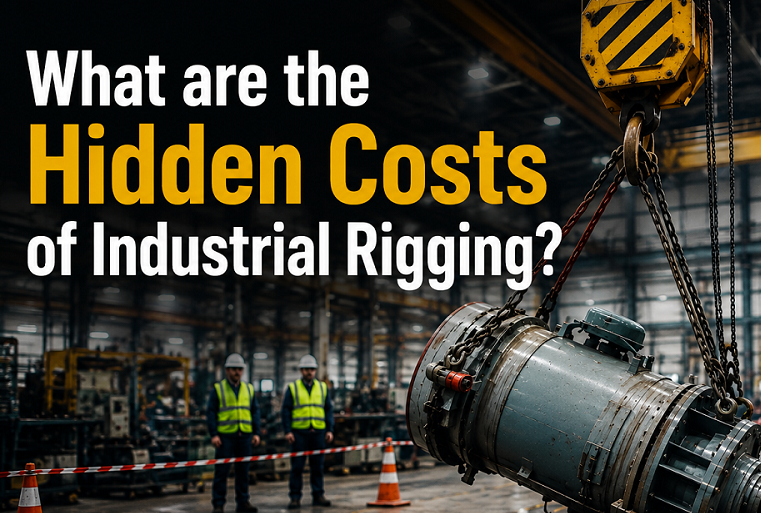
Industrial rigging is one of the most critical phases of any manufacturing, construction, or facility expansion project. Whether relocating heavy machinery, installing production equipment, or lifting oversized components, every move demands careful planning, certified personnel, and specialized equipment. In Canada’s industrial sector, where industries such as manufacturing, mining, energy, food processing, and automotive operate under strict workplace safety standards, poor rigging practices can create far-reaching consequences. While companies often focus on completing projects quickly or reducing upfront costs, overlooking rigging quality frequently leads to higher expenses, unexpected downtime, and long-term operational risks.
Equipment Damage can Become an Expensive Mistake
Heavy industrial equipment represents a significant investment, and improper rigging can damage machinery before it is even operational. Incorrect lifting points, overloaded slings, unstable load balancing, or inadequate lifting hardware may result in structural damage, misalignment, or component failure. Even minor damage can require costly repairs, replacement parts, and production delays. In Canada, where many industrial facilities rely on imported equipment with long replacement lead times, a single rigging mistake can disrupt project schedules for weeks or even months. Investing in experienced rigging professionals helps protect valuable assets while ensuring equipment is installed correctly from the beginning.
Downtime Often Costs More Than the Repair Itself
When a rigging incident interrupts production, the financial impact extends far beyond repairing damaged equipment. Manufacturing lines may stop, material handling processes can be disrupted, delivery commitments can be missed, and labour costs continue to accumulate while operations remain idle. For facilities operating around the clock, even a few hours of unplanned downtime may translate into substantial financial losses. Businesses also risk damaging customer relationships when delayed production affects product availability or project completion deadlines. Proper rigging planning minimizes disruptions by ensuring equipment is positioned safely, efficiently, and according to project specifications, allowing operations to resume without unnecessary delays.
Safety Risks Bring Financial and Legal Consequences
Poor industrial rigging presents serious workplace safety hazards. Unstable loads, equipment failures, and improper lifting procedures increase the likelihood of injuries, property damage, and potentially fatal accidents. Canadian employers must comply with provincial occupational health and safety regulations, which require safe work practices, qualified personnel, and appropriate lifting procedures. Failure to meet these obligations can result in regulatory investigations, financial penalties, project shutdowns, higher insurance premiums, and reputational damage. Beyond regulatory compliance, maintaining a strong safety culture demonstrates a company’s commitment to protecting its workforce while reducing preventable risks across every project.
Choosing Professional Rigging Services Protects Long-Term Business Success
Successful industrial projects depend on more than simply moving heavy equipment from one location to another. Professional rigging companies develop lift plans, assess site conditions, inspect lifting equipment, identify potential hazards, and coordinate every stage of the operation with precision. This proactive approach significantly reduces the likelihood of equipment damage, workplace incidents, and costly delays. For Canadian businesses investing in facility expansions, machinery upgrades, or industrial relocations, partnering with experienced rigging specialists delivers measurable long-term value. The initial investment in quality rigging services is small compared to the financial, operational, and reputational costs that poor rigging practices can create. By prioritizing expertise, planning, and safety, organizations protect their assets, maintain productivity, and position themselves for sustainable growth in an increasingly competitive industrial landscape.