
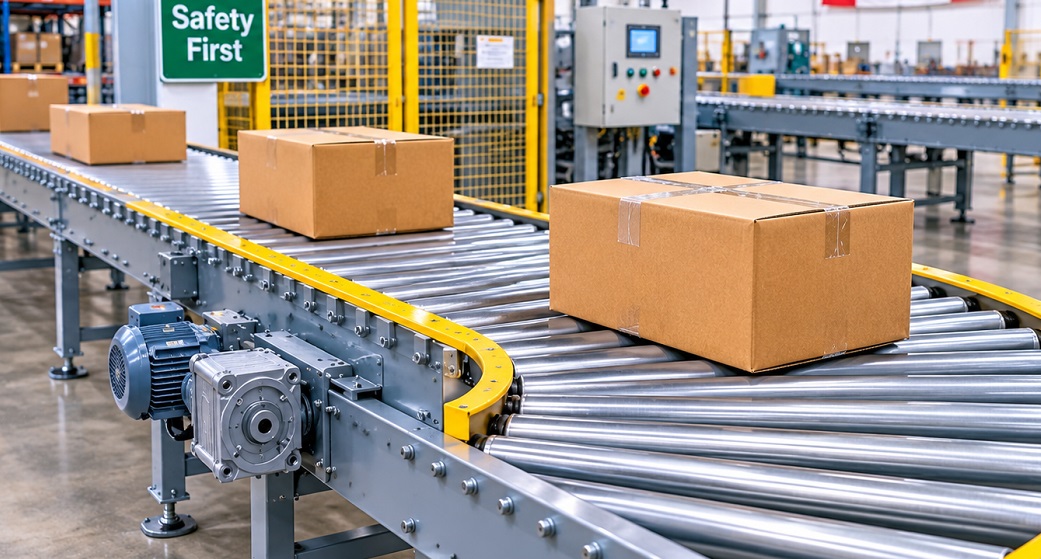
Installing a conveyor system can improve material handling, production flow, and workplace efficiency. However, choosing and installing the right system requires more than selecting a belt or roller conveyor. Canadian Manufacturing facilities must consider the type of material, available space, operating conditions, worker safety, maintenance access, and future production needs. A properly planned conveyor can reduce unnecessary manual handling and support consistent production. A poorly planned system can create bottlenecks, maintenance problems, and safety risks.
Understand the Material and Production Requirements
The first step is to understand exactly what the conveyor will transport. Consider the material’s weight, dimensions, shape, surface, temperature, and condition. Fragile products may require gentler handling, while heavy or abrasive materials may need stronger components. The required speed and capacity should also be established before equipment is selected. A conveyor that is too slow can restrict production, while excessive speed may create handling and ergonomic problems. CCOHS recommends considering worker capabilities and the pace of conveyor work when designing conveyor operations.
Check the Available Space and Layout
The facility layout should be reviewed before installation begins. Measure the available floor space, ceiling height, access points, existing machinery, electrical services, and maintenance areas. The conveyor should fit naturally into the production process without creating unnecessary crossings or restricted work areas. Maintenance access is especially important. CCOHS recommends that conveyors provide access from both sides where practical, allowing workers to perform maintenance, housekeeping, and emergency activities safely.
Prioritize Worker Safety
Safety should be considered during the design stage rather than added after installation. Conveyors can contain moving parts and pinch points that may cause entanglement, crushing, or other injuries. Guards should protect drive components and other hazardous areas. Emergency stop devices should also be accessible to workers. CCOHS guidance recommends guarding moving parts and pinch points and placing emergency shut-off devices along powered conveyors.
Consider Canadian Safety Requirements
Industrial facilities in Canada should identify the workplace safety requirements that apply in their province or territory and to the specific equipment being installed. Safeguarding should include appropriate guards, barriers, emergency devices, and safe operating procedures. CCOHS also recommends using risk assessment to identify hazards associated with machinery and considering activities such as operation, cleaning, adjustments, and maintenance.
Plan for Maintenance and Future Expansion
A conveyor should be easy to inspect, clean, service, and repair. Before installation, consider access to bearings, motors, belts, rollers, sensors, and other components that may require regular attention. The system should also have suitable provisions for lockout during maintenance. Planning for future expansion can be equally valuable. Production requirements may increase, and leaving sufficient space for additional conveyor sections or equipment can reduce the cost and disruption of future modifications.
Choose the Right Conveyor for the Application
The final selection should balance performance, safety, durability, maintenance, and total cost rather than focusing only on the initial purchase price. Belt, roller, chain, screw, and other conveyor designs have different applications and operating characteristics. Working with an experienced fabrication company in Canada can help identify the appropriate configuration for the facility. With proper planning, a conveyor system can become a reliable part of a Canadian manufacturing operation while supporting efficient material movement and safer workplace practices.